


Schedule your workforce in 30 minutes, not 3 hours.
How Förstemann manages staffing and branch controlling across 18 Rieker mono-brand stores with SEAK — using the Team Performance Monitor to benchmark comparable locations.
Förstemann at a Glance
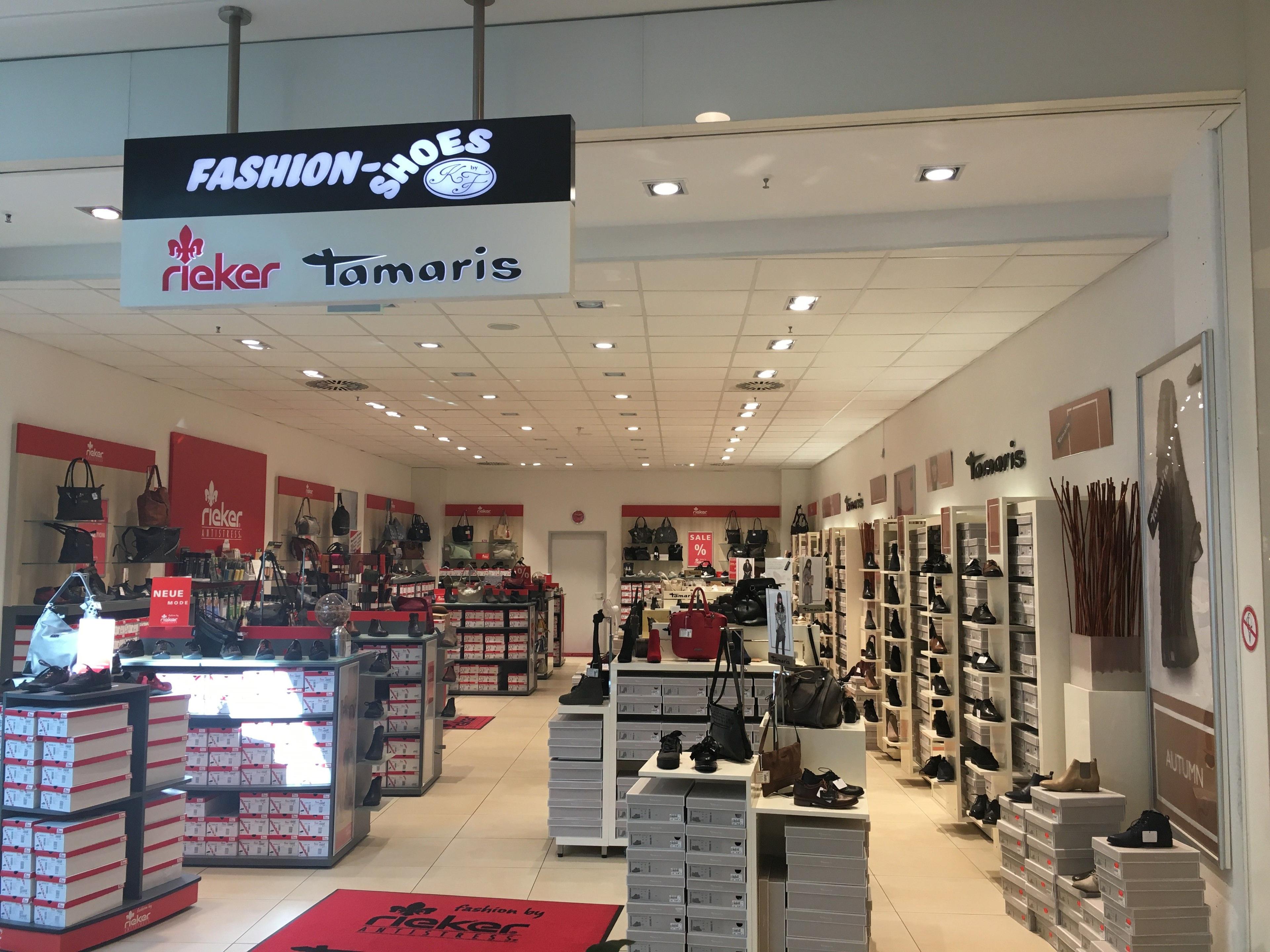
The Förstemann family — a household name in footwear retail — operates 18 mono-brand Rieker stores from their base in Ahnatal, near Kassel. The business is led by Kerstin and Jürgen Förstemann, alongside their son Daniel and daughter Nina, with Jonas Roth serving as Head of Controlling — the only non-family member on the leadership team.
Team
around 115 employees
Locations
Hesse, Lower Saxony, North Rhine-Westphalia, Hamburg, and Schleswig-Holstein
SEAK customer since 2016
Workforce Scheduling and Team Performance Monitor (T.P.M.)
Numbers, Data, Facts
Duration of monthly shift planning (down from 180 minutes)
Rieker Single-Brand Stores Across Five Federal States
Employees Scheduled with SEAK
drives Förstemann workforce planning with SEAK
The Challenge
Before 2016, Förstemann managed workforce scheduling with Excel. With 18 mono-brand stores across five federal states and ambitious expansion plans, this approach had become unmanageable. There was no central data repository for master data, real-time target/actual comparisons were impossible, and reporting was consistently delayed.
Four specific pain points were holding the business back:
Excel as a Planning Tool
Workforce scheduling via spreadsheets — manageable, but time-consuming and impossible to scale.
No single source of truth
Master data was scattered across multiple Excel files — no single source of truth, no easy access.
Planned vs. actual comparisons were missing
Planned and actual deployment times couldn't be compared in a timely manner.
Reports With Delay
All reporting was manual and delayed — making it impossible to steer the business effectively.
Daniel Förstemann – Next-Generation Owner – Förstemann Footwear
"Above all, we wanted to go paperless with our scheduling and move to a system that would make the process noticeably easier and faster compared to managing everything in Excel spreadsheets."
The Decision: Three-Hour Opening Presentation at a Trade Show
Förstemann first encountered SEAK at a trade show in 2016. The initial presentation ran for a full three hours — and compared to other vendors, what SEAK demonstrated was "something genuinely new." A follow-up visit from a SEAK team member sealed the deal, with an in-depth look at the analytics tool leaving a lasting impression. What began as an intensive first contact grew into a lasting partnership.
The Execution: Three Planning Modes and the Team Performance Monitor
Förstemann takes a differentiated approach to workforce scheduling responsibility: five stores are planned by a regional manager, eight others in close coordination with store managers, and the remaining locations are managed directly from head office. The central data foundation resides in the SEAK system — including scheduled days and hours per employee, historical data per location, and data for selected dates.
A second cornerstone of Förstemann's SEAK implementation is the Team Performance Monitor (T.P.M.). Using this tool, Förstemann benchmarks stores against similarly structured locations, surfacing significant performance discrepancies — by employee, by location, or by time period.
What the software actually covers
Central Master Data Repository
All master data managed in one place – clean, structured, and organized, instead of scattered across spreadsheets.
Real-Time Budget vs. Actual Comparisons
Compare planned versus actual working hours — at the click of a button.
Availability Overview
See at a glance who's available and who's not — effortless data management.
Past Data by Location
Per-location revenue on selected days — a reliable reference point for smarter shift planning.
Three Planning Modes
Regional managers, branch managers, and central planners — clearly defined responsibilities, all in one platform.
Team Performance Monitor
Benchmark similarly structured locations against each other — comparing productivity, average transaction value, and product category performance by employee, location, or time period.
Objective Data Foundation for Conversations
Employee conversations about workload fairness are now grounded in data, not personal perception.
Phone Support with Server Access
Data is stored on SEAK servers — support can access it directly whenever needed.
Daniel Förstemann – Next-Generation Owner – Förstemann Footwear
"Scheduling an entire month's shifts now takes just 30 to 60 minutes instead of two to three hours. What matters most is that our service quality has improved — because we're now deploying more staff during peak hours than we ever did before."
The Result: What Has Changed Since Then
Planned More Efficiently, Managed More Objectively, Resilient Through Structural Change
Efficiency
Controls & Analytics
Employees and Customers
Industry Context
Daniel Förstemann – Junior Owner – Förstemann Footwear
"The best part is the clarity it provides. Branches at similarly structured locations with notable differences in performance metrics can be identified effortlessly. This support empowers store management to take precisely the right action at exactly the right time."
Which building blocks Förstemann relies on
Daniel Förstemann – Next-Generation Owner – Förstemann Footwear
"The phone support is excellent. Every issue has been resolved extremely quickly. The SEAK team truly knows what they're talking about and understands the realities of retail. Whenever something gets stuck, they find a solution you'd never have thought of yourself."
Let's talk about whether SEAK is the right fit for your business
In a 30-minute introductory call, we'll assess where your business stands today, identify which modules are the right priority for your situation, and outline a realistic implementation roadmap.
Alternatively, you're welcome to reach out via our contact form — we'll get back to you promptly. Or give us a call at: +49 40 238 348 – 000
The Trade Trusts SEAK
From fashion and food retail to building materials and specialist trade: retailers across Germany rely on SEAK to manage their workforce.
Footwear Retail as a Family Legacy
The Förstemann family — known in the industry as a "shoe family" — is headquartered in Ahnatal, near Kassel, and operates 18 single-brand Rieker stores. Their locations span prime shopping centers and high-footfall retail destinations across Hesse, Lower Saxony, North Rhine-Westphalia, Hamburg, and Schleswig-Holstein.
The management team is led by Kerstin and Jürgen Förstemann, alongside their son Daniel and daughter Nina. The only non-family member on the leadership team is Jonas Roth, who heads the Controlling division. With around 115 employees and ambitious expansion plans, Förstemann has partnered with SEAK since 2016 — finding in them the IT partner that seamlessly unifies workforce scheduling and store-level controlling in one solution.