



Why SEAK Makes the Difference for Retail
German retail operates under conditions that generic HR tools simply aren't built for: customer footfall fluctuates throughout the day, multiple locations run in parallel, seasonality collides with lean staffing levels, and employee turnover remains persistently high. At the same time, team leaders and store managers are rarely at a desk — they lead on the shop floor, on their smartphones, not in front of a computer.
Workforce planning in retail therefore needs to bring together three things that are all too often handled in isolation: an accurate staffing demand model based on footfall and revenue; a schedule that is fair, legally compliant, and adaptable at short notice; and a time-tracking solution that turns approved plans and actual hours worked into a clean, reliable basis for payroll and controlling.
The same solution must work for multiple user groups: store and team managers, area and regional managers, HR and payroll teams at head office, and frontline employees themselves. Here are six core areas where SEAK delivers on this in day-to-day retail operations:
Frequency-Based Planning
Staffing needs are derived from customer footfall, revenue, and planned targets — not last year's rule of thumb. Every shift is staffed to fit, not filled by default.
Centrally Managed Across All Locations
Schedules are created, approved, and updated across all locations — including temporary staff, department changes, and shift-swap logic. Head office and individual locations always work from the same data.
Billed with precision
Time tracking, absences, and corrections are handled digitally — no paper forms at the branch, no last-minute additions during payroll. Clean, seamless handoff to payroll.
Season- and promotion-ready
Promotions, seasonal peaks, and holidays are planned well in advance and fine-tuned at short notice — without operational chaos in-store and without shadow Excel workarounds.
Mobile Schedules and Self-Service
Store teams can view their schedules on their personal phones, swap shifts with colleagues, and submit requests on the go. This takes the pressure off store management — and empowers employees instead of just slotting them in.
Integrated with POS, inventory management, and payroll
SEAK is the workforce layer alongside your POS, ERP, and payroll systems — a single, unified data foundation that eliminates spreadsheet chaos and endless email back-and-forth.
Leading retail companies successfully work with SEAK
Garhammer, GANT, Mode Feucht, Lloyd, Ranck, and Globetrotter have been using SEAK in live production environments for many years — across head office, regional, and store levels. The results speak for themselves: measurable reductions in labor costs, demand-driven scheduling, and improved sales floor productivity per hour. Read what leaders across head office, regional, and store operations have to say.


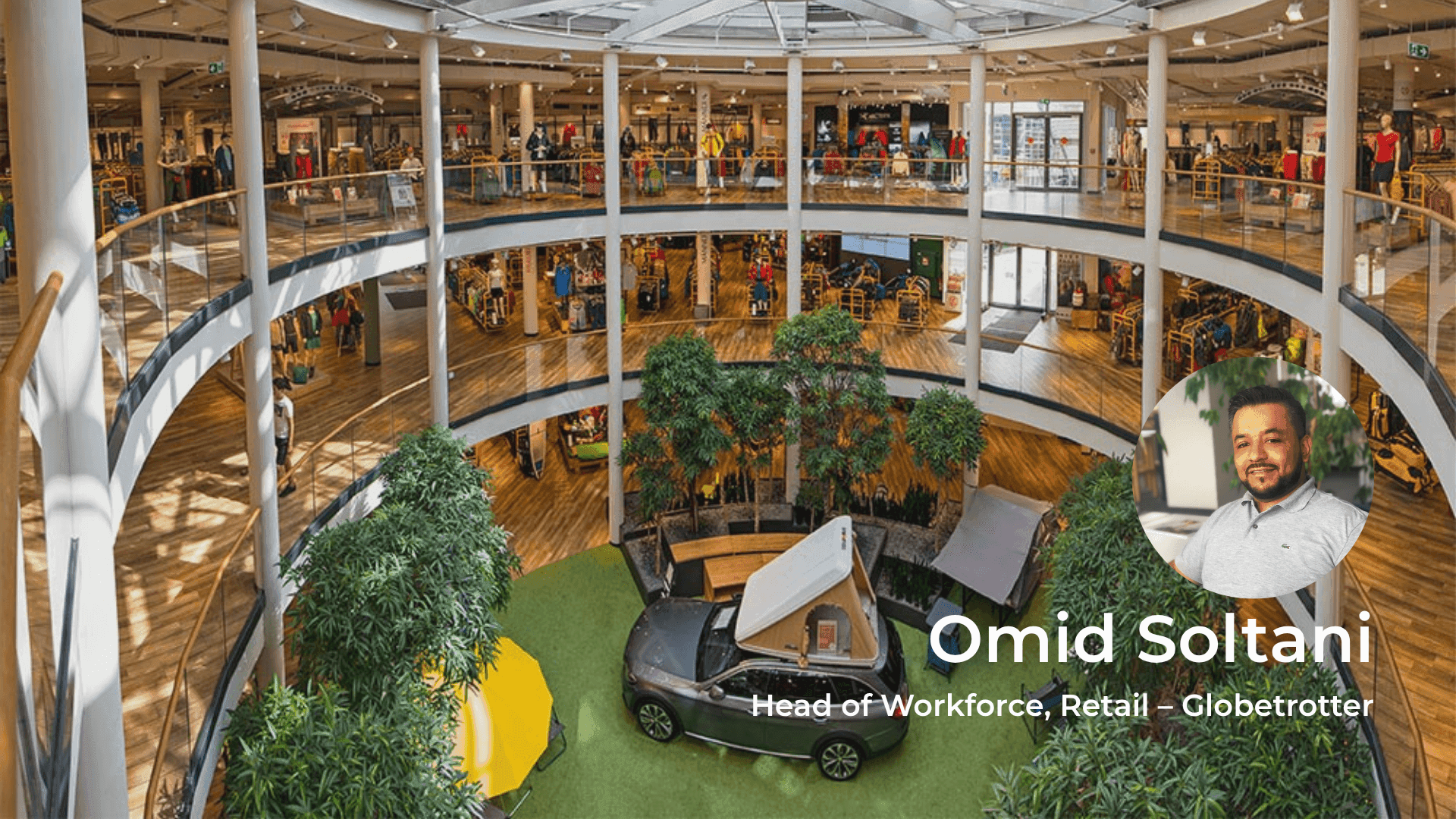

Omid Soltani, Head of Workforce, Retail – Globetrotter
"Happy, engaged employees are your greatest asset. To get there, you need to involve them as much as possible in the processes that directly affect them — and that requires digital tools like the Employee Service Portal from SEAK."
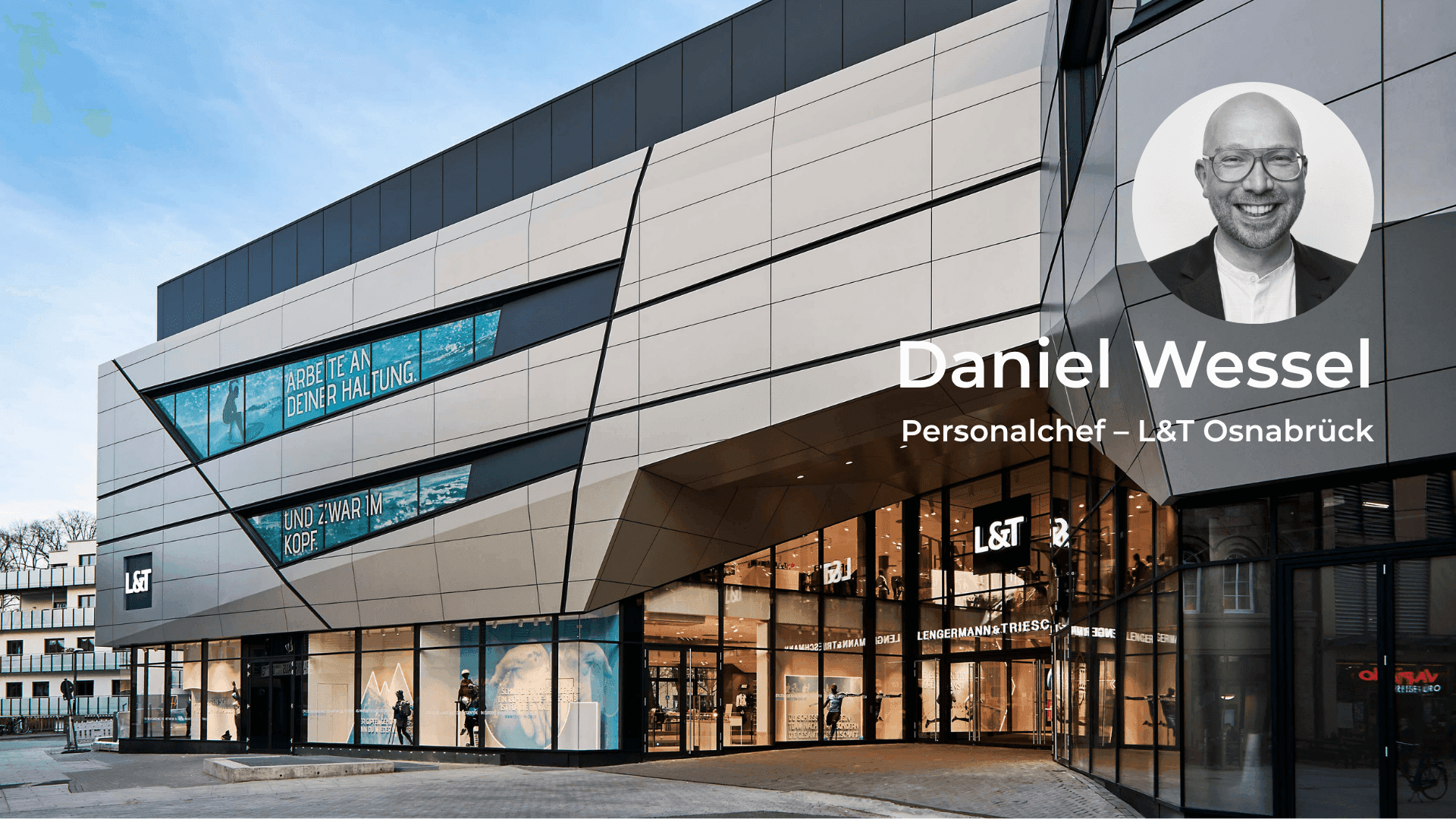

Which SEAK Modules Deliver the Greatest Relief for Sales Teams
SEAK is a complete workforce management system. For retail, eight modules from the full portfolio are typically most relevant — they form the core that most retail customers start with. Each module can be deployed independently and expanded incrementally.
Customer Demand Planning Based on Footfall Analytics
Staffing needs are derived from footfall, revenue, and transaction data — broken down by location and time of day — not from gut feeling or historical assumptions.
Shift and Duty Scheduling Across Multiple Locations
Schedules are created, approved, and updated across all locations — including temporary staff, department transfers, and shift-swap logic.
Mobile Shift Schedules for Store Teams
Employees view their shifts on their personal phones, swap shifts directly within the team, and receive schedule updates in real time.
Time Tracking for Branches and Retail Spaces
Clock in/out, breaks, and absences are recorded at the terminal, point-of-sale workstation, or via mobile — clean, billable data every time.
Leave & Absence Management
Vacation requests, sick leave, and other absences managed digitally — with team visibility, deputy assignments, and multi-level approvals.
Self-Service for Store Employees
Employees submit requests, view time accounts, and access pay statements independently — reducing the workload on branch managers and HR teams.
Schedule a Free Consultation
We'd love to walk you through your options in a personal online meeting via Zoom and help you find the ideal workforce management solution for your business. Simply pick a time that works for you — your Zoom link will be sent to you by email.
Alternatively, you're welcome to reach out via our contact form — we'll get back to you promptly. Or give us a call at: +49 40 238 348 – 000
Frequently Asked Questions About Workforce Scheduling in Retail
Why is SEAK purpose-built for retail?
SEAK was developed in close collaboration with retail businesses and is built around the realities of the industry: fluctuating customer footfall, multi-site and department structures, seasonal peaks, high staff turnover, and managers who lead from the shop floor — not from behind a desk.
Does SEAK support customer-traffic-based workforce planning?
Yes. Staffing requirements are derived from footfall, revenue, and transaction data — broken down by location, day, and time of day. The result is far more accurate planning than anything based on last year's schedules or gut instinct.
How does the platform support multiple branches and locations?
SEAK is built for multi-location operations. Scheduling, time tracking, approvals, and reporting all work seamlessly across sites — with clearly defined roles for branch managers, area managers, regional directors, and head office.
Can employees access SEAK from their personal mobile devices?
Yes. Employees access SEAK through a browser or mobile app — on their personal phone, with no additional hardware required. Schedules, requests, payroll documents, and self-service features are all available on the go.
Can SEAK be integrated with point-of-sale, inventory management, and payroll systems?
Yes. SEAK is designed as a workforce layer that integrates seamlessly with your existing systems — POS, inventory management, foot traffic, and payroll — delivering a unified data flow rather than yet another siloed solution.
Is SEAK suitable for smaller retailers with just a few locations?
Yes. Businesses can start modular — typically with time tracking or shift scheduling — and expand SEAK incrementally with additional modules. The architecture scales from a single specialty store to a large retail chain.
Which SEAK modules are most relevant for retail businesses?
Core capabilities for retail: demand planning, shift and schedule management, mobile scheduling, time tracking, vacation and absence management, employee self-service, mobile controlling, and master data management across multiple locations.