


+34% Revenue per Customer – Driven by Frequency-Based Planning
How Ranck, the established dealership from Sulingen, has been planning with SEAK since 2017: +6 percentage points in conversion rate, cross-departmental adoption, and 4-week forecast visibility on mobile.
Ranck at a Glance
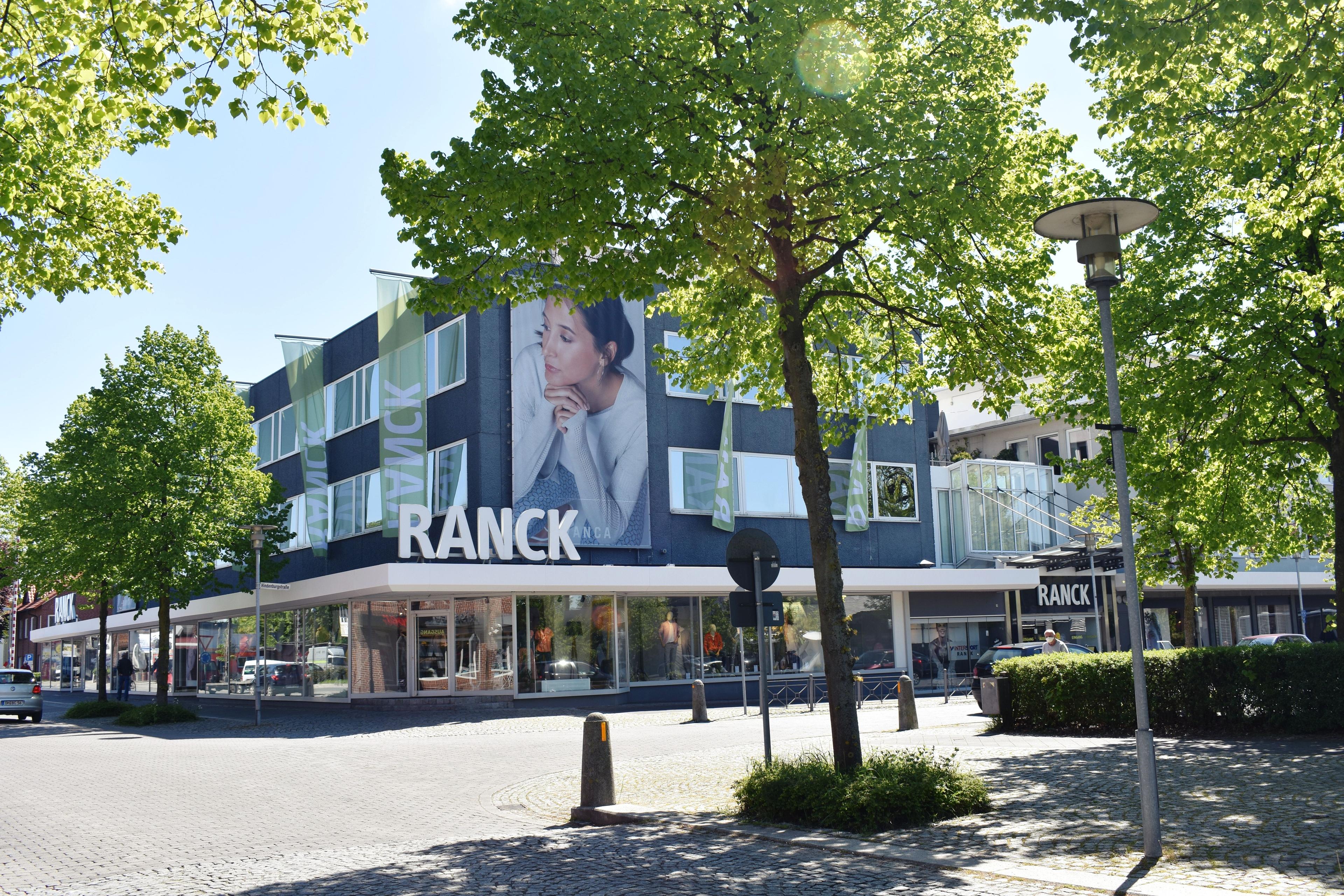
Ranck is a family-owned retail institution headquartered in Sulingen, Lower Saxony. Founded in 1885 by Wilhelm Ranck, the business has grown from its origins as a supplier of wool, grain, and colonial goods into a modern multi-format retail destination — offering fashion, sports, accessories, books, and gifts, alongside a bistro with over 120 seats and an in-store post office that drives consistent foot traffic.
Team
~100 Employees
Sales Floor
Approx. 5,000 m² at our main location in Sulingen
SEAK customer since 2017
Access Control, Time & Attendance, Workforce Scheduling, Headcount Planning, Team Performance Monitor, Mobile Shift Planner, Employee Self-Service Portal
Numbers, Data, Facts
Revenue per customer in fiscal year 2023 compared to the pre-COVID baseline year 2019
Conversion rate over the same comparison period – based on paying visitors
Plan Workforce Demand and Deployment with SEAK
The Challenge
Before 2017, Ranck didn't have a pressing problem — but they had a clear sense of where time was being lost and potential was going untapped. Team leaders were spending too much time on scheduling tasks instead of focusing on customers and product assortment. Footfall expectations were barely factored into shift planning. Staff were locked into fixed department assignments, with no flexibility across teams. Conversion rate and items per transaction pointed to unrealized potential.
Five specific factors were holding them back:
Untapped KPI Potential
Conversion rate and units per transaction showed clear room for improvement — but the data foundation needed to act on it systematically was missing.
Frequency was not factored into planning
Predicted customer traffic was not adequately factored into scheduling — staffing levels failed to consistently align with demand throughout the day.
Too much time spent on planning tasks
Team leaders were spending too much time planning floor coverage — time better spent with customers and product.
Fixed Department Assignment
Each department planned around its own staff — cross-departmental deployment was barely possible, leaving little room for flexibility.
No Cross-Site Staff Deployment
Workforce planning was siloed by department — there was no centralized view of staffing across the entire organization.
Tatjana Hofmann – Management, HR & Controlling – Ranck
"We had long been aware that our team leaders responsible for staff management and procurement were spending a significant amount of time on tasks related to sales floor staffing and scheduling. Too much time. We knew we needed to simplify these processes."
The Decision: Phased Rollout Starting in 2017
A Phased Rollout of SEAK Modules
Ranck chose SEAK in 2017 and rolled out the platform's modules across several phases. 2018 marked the first full fiscal year in which workforce planning and shift scheduling ran entirely through SEAK. From there, additional modules were introduced incrementally: access control, time management, Team Performance Monitor, Mobile Scheduling, and the Employee Self-Service Portal. Today, Ranck represents the broadest SEAK module footprint of any customer — a carefully grown setup, not a big-bang implementation.
The Implementation: How SEAK Is Integrated at Ranck
Centralized Demand and Shift Planning, Cross-Departmental Deployment, Events Built Into the Schedule
Since implementing SEAK, Ranck has fundamentally transformed its workforce management. Rather than operating in departmental silos, the business now plans centrally — with a single shared data foundation covering demand, staffing, and control. Employees are deployed across departments, and individual working time agreements are stored directly in the system. At the click of a button, SEAK generates staffing suggestions that balance the operational needs of the business with the preferences of individual employees.
One practical detail from Hofmann's day-to-day experience: events such as VIP evenings or special promotions are integrated directly into the scheduling view. Anyone looking at the plan can immediately see whether a particular day requires extra staffing coverage.
What the software actually covers
Annual Planning
Staff hours and staffing requirements across the year — seasonality, public holidays, school breaks, and promotional campaigns are all mapped within the system.
Automatic Shift Suggestions
Per day and department – demand-driven, generated on the basis of historical data and company guidelines.
Central Resource and Deployment Planning
Instead of siloed departmental plans, your entire workforce management runs centrally — on a single, shared source of truth.
Cross-Departmental Use
Staff are scheduled flexibly across department boundaries — supported by software logic that maps these transitions cleanly and accurately.
Flexible Work Schedules
Personal profiles — including days off and preferred working hours — are stored in the system. With a single click, you get staffing suggestions that balance operational requirements with employee preferences.
Qualifications & Features
Employee qualifications and required roles are automatically factored into every scheduling decision.
Team Performance Monitor
Instantly see overstaffing and understaffing by department — linked to key metrics such as revenue, revenue per hour, and items per transaction.
Mobile Scheduling
Employees can view their schedules up to 4 weeks in advance directly on their smartphones — including notifications about upcoming events and special promotions.
Tatjana Hofmann – Management, HR & Controlling – Ranck
"The way the modules work together is a game-changer: we enter our revenue plan, the system calculates the staffing requirements, and we can instantly see whether we have sufficient resources in place. Scheduling also incorporates events — so you can immediately tell whether it's a VIP evening or another special occasion and plan accordingly."
The Result: What Has Changed Since Then
+34% Revenue per Customer, +6-Point Conversion Rate Lift – and Happier Teams
The impact is felt across four dimensions: business performance, operational efficiency, employee satisfaction, and customer experience.
Business Management
Operational Relief
Employee Satisfaction
Customer Perception
Tatjana Hofmann – Management, HR & Controlling – Ranck
"When we compare the 2023 figures with 2019 — our last pre-COVID year — we saw a 6 percentage point increase in conversion rate. Revenue per customer grew by as much as 34 percent. An improvement of that magnitude was a very welcome surprise."
Which Ranck modules are in use
Six SEAK modules covering time tracking, planning, control, and the employee platform.
Tatjana Hofmann – Management, HR & Controlling – Ranck
"The support team is always easy to reach. If an issue can't be resolved on the spot, a specialist follows up promptly with the expertise needed to get it sorted. You can really feel the professionalism — all I can say is: it just works."
Let's talk about whether SEAK is the right fit for your business
In a 30-minute introductory call, we'll assess where your business stands today, identify which modules are the right priority for your situation, and outline a realistic implementation roadmap.
Alternatively, you're welcome to reach out via our contact form — we'll get back to you promptly. Or give us a call at: +49 40 238 348 – 000
The Trade Trusts SEAK
From fashion and food retail to building materials and specialist trade: retailers across Germany rely on SEAK to manage their workforce.
Tradition and Innovation – Rooted in Sulingen Since 1885
Ranck was founded in 1885 by Wilhelm Ranck in Sulingen. In its early years, the store served customers from Sulingen and the surrounding area with wool, grain, fertilizers, colonial goods, and building and fuel supplies — a classic general merchant at the heart of a market town in southern Lower Saxony.
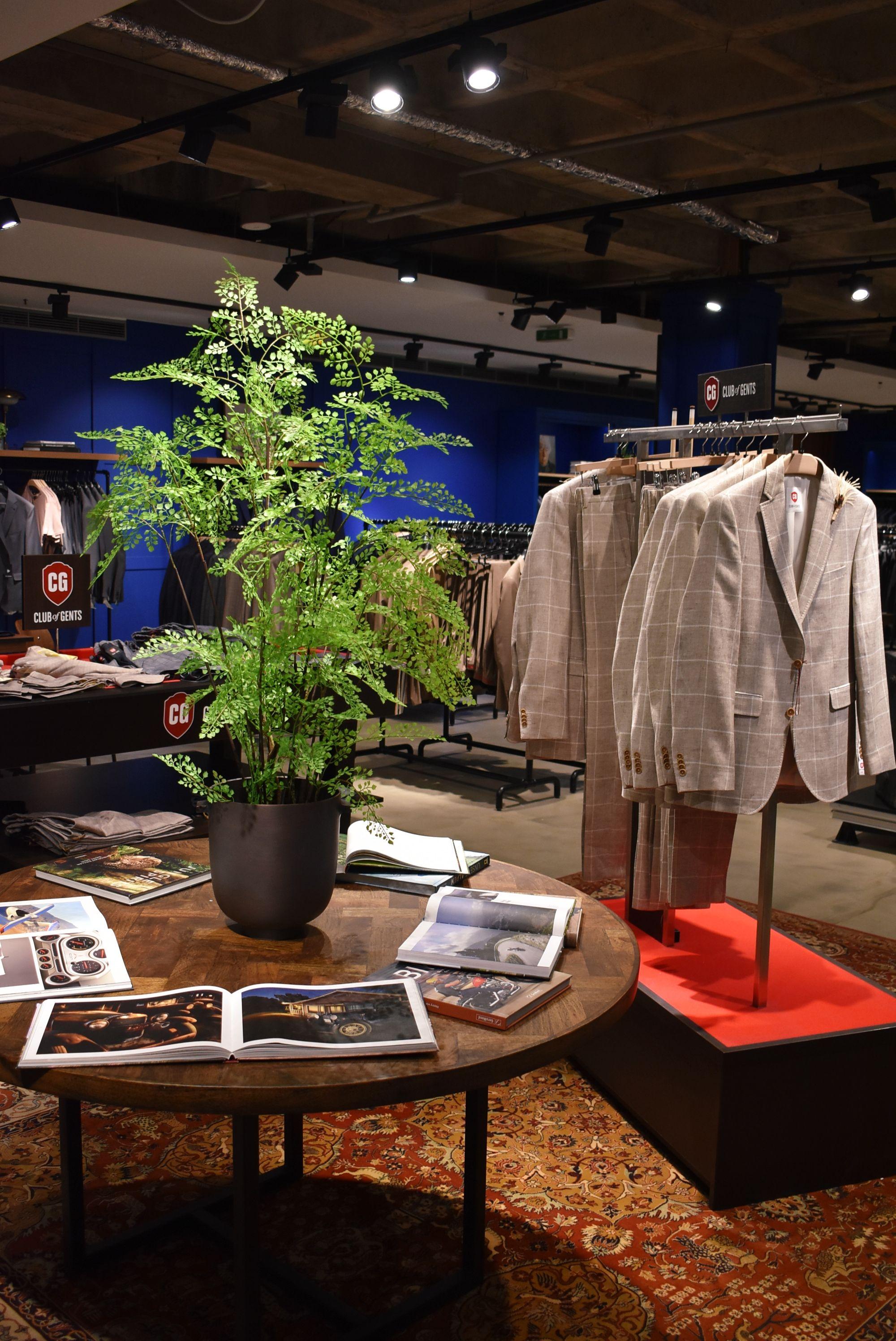
What has remained is its role as a community hub. Today, the store presents a curated mix of fashion, sport, and accessories across approximately 5,000 square meters. Flowers, gifts, and books provide additional purchase inspiration, a bistro with over 120 seats encourages customers to linger, and an on-site post office drives consistent foot traffic. The Lüneburg location rounds out the brand's presence with a Cecil mono-brand store and a plus-size boutique.
With around 100 employees, Ranck is one of the defining retail destinations in the region. Behind the scenes, the business has made significant investments in technology in recent years — streamlining processes and elevating key performance metrics to a new level, deploying the broadest range of SEAK modules of any case documented here.